Follow me on twitter: amr8798
Believe it or not, there are legal ways to buy authentic designer items for less than their original retail value. The key is knowing which designers allow their collections to be sold at discounted prices.
It would be impossible to go through the policies for every designer. So, instead I'll highlight a few.
Outlet malls are a great place to do some bargain designer label shopping.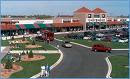 Designers such as Burberry, Ralph Lauren, Coach, and Calvin Klein have stores in many outlet mall shopping centers. This selling technique allows designers to interact with a new level of consumers. The products are usuall
 y from a previous season's collection and are sold at discounted prices. In general, consumers save an average of 20% off the original retail price. Although savings can be less, or much greater.
It would be impossible to go through the policies for every designer. So, instead I'll highlight a few.
Outlet malls are a great place to do some bargain designer label shopping.
 Designers such as Burberry, Ralph Lauren, Coach, and Calvin Klein have stores in many outlet mall shopping centers. This selling technique allows designers to interact with a new level of consumers. The products are usuall
 y from a previous season's collection and are sold at discounted prices. In general, consumers save an average of 20% off the original retail price. Although savings can be less, or much greater.
An alternative to buying a designer item is to borrow one. Websites such as Wear Today Gone Tomorrow, have members who borrow clothes. The average savings is about 90%. So, you don't get to keep the borrowed items, but you have them to wear a few times.
Some designers have special collections that are priced lower than t heir regular lines. Emporio Armani and Armani Exchange, designed for younger buyers, are less expensive than the exclusive Giorgio Armani collection. A pair of jeans averages around $130 and a shirt around $80.
Marc Jacobs started his Marc by Marc Jacobs collection which is less expensive an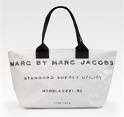 d more accessible to the average consumer. To keep the discounts even better, there is a new line called Don't Miss the Marc (it's under the Marc by Marc Jacobs label). Everything in the collection is priced under $200.
Some designers have special collections that are priced lower than t
 heir regular lines. Emporio Armani and Armani Exchange, designed for younger buyers, are less expensive than the exclusive Giorgio Armani collection. A pair of jeans averages around $130 and a shirt around $80.
Marc Jacobs started his Marc by Marc Jacobs collection which is less expensive an
 d more accessible to the average consumer. To keep the discounts even better, there is a new line called Don't Miss the Marc (it's under the Marc by Marc Jacobs label). Everything in the collection is priced under $200.
Some high-end department stores, such as Saks Fifth Ave and Neiman  Marcus, sell designer collections. It's possible to catch some good sales toward the end of the season. The stores will be clearing out left-over stock to make room for the new season's items.
Dolce & Gabbana, Michael Kors, Dior, and Caroline Herrara are some of the many designers who have collections at Neiman Marcus. Saks boasts an impressive list as well with Gucci, Prada, Jimmy Choo, and Oscar de la Renta.
 Marcus, sell designer collections. It's possible to catch some good sales toward the end of the season. The stores will be clearing out left-over stock to make room for the new season's items.
Dolce & Gabbana, Michael Kors, Dior, and Caroline Herrara are some of the many designers who have collections at Neiman Marcus. Saks boasts an impressive list as well with Gucci, Prada, Jimmy Choo, and Oscar de la Renta.
 Stores that sell things at only discounted prices, like TJ Maxx and Marshalls, can be a gold mine. It may take patience, shuffling through multiple racks of clothes, purses, and shoes, until you find something with a designer label. Everything is discounted to begin with, but because they are constantly bringing in new items, additional sales are common.
 See? I told you it was possible to buy items from certain designers that are priced below the original price. It just takes some investigation...which is, afterall, why I am here for you.